


Flywheel Training. How It Works.
Flywheel training turns your effort into resistance. You accelerate a rotating flywheel, then absorb and control its stored energy as it returns—building strength, power and braking capacity for sports performance and beyond.
The Principle Behind Flywheel Resistance
Flywheel training, sometimes called isoinertial training, uses the inertia of a rotating mass. Each repetition combines concentric acceleration and eccentric braking, with resistance responding to your effort.
CONCENTRIC PHASE
Accelerate
Push or pull to spin the flywheel. Your effort stores energy as rotational motion.
ECCENTRIC PHASE
Absorb
The flywheel rewinds. Your muscles brake and control the returning energy.
LOAD RESPONSE
Adapt
The resistance responds to your effort, changing with your output rather than a fixed external weight.
What Flywheel Training Makes Possible
Beyond the loading principle, flywheel systems open up distinctive ways to train: explosive power development, eccentric braking, multiple movement directions and full-body exercises with minimal equipment.
-

Adaptive Resistance
Match loading to the athlete’s effort and capacity without changing weight plates. -

Eccentric Loading & Control
Brake the returning flywheel and, with the right technique, place greater emphasis on the eccentric phase. -

Multi-Directional Training
With the right setup, train vertical, horizontal, lateral and rotational movement patterns. -

Versatile, Compact Equipment
Train squats, hinges, rows, presses and rotations with versatile kBox and kPulley setups—using compact, quiet equipment.
Why It Matters
The value lies in what you can improve with flywheel resistance. From performance sports to rehabilitation and everyday fitness, different goals call for different training applications.
Sports Performance
Develop strength, power and eccentric braking for jumping, acceleration and changes of direction.
Rehabilitation
Progress strength, range of motion and eccentric control with adaptable loading.
Strength & Fitness
Build strength, muscle and power across varied full-body movements and training environments.
Flywheel Training vs. Traditional Weights
Both build strength. Their loading and training demands differ.
Traditional Weights
Resistance: Fixed external weight.
Loading: Requires manual weight adjustments.
Power: Explosive training requires appropriate load selection.
Eccentric: Lowering is limited by the selected weight.
Flywheel Resistance
Resistance: Responds to your effort.
Loading: Adapts within and between reps.
Power: Accelerate explosively without changing weights.
Eccentric: High braking demands, with overload potential.
Backed by Science. Proven in Practice.
RESEARCH
Research-Backed Training
Peer-reviewed research supports flywheel training for strength, muscle development, power and sport-related performance.
REAL-WORLD ADOPTION
Used in Sport, Fitness & Rehabilitation
Exxentric equipment is used by teams across leading professional sports leagues, as well as strength coaches, fitness facilities and rehabilitation clinics worldwide.

From Setup to First Rep
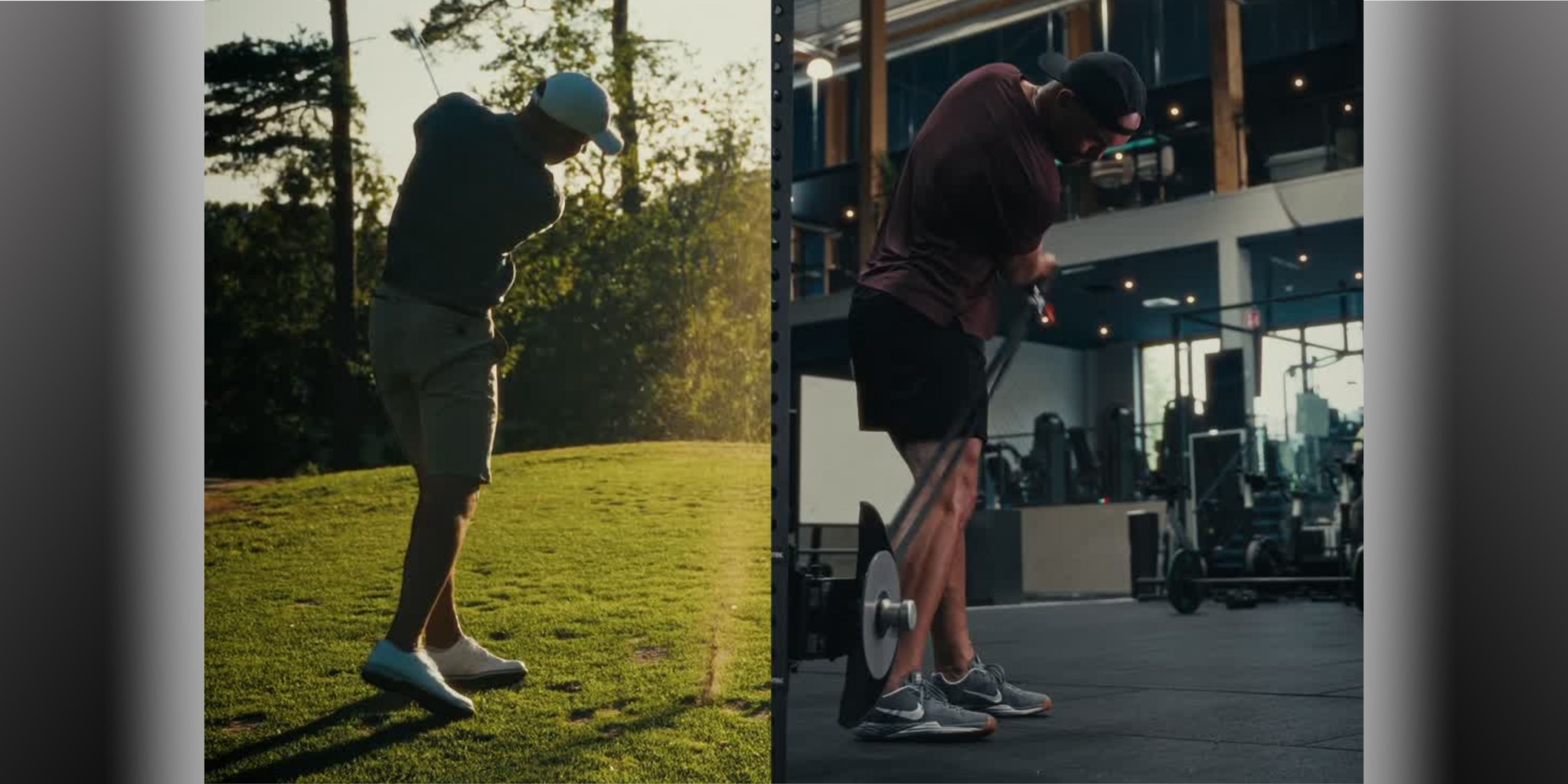
Four Simple Steps to Get Started
- Select your inertia. Start with a manageable flywheel configuration.
- Choose your attachment. Match the handle, bar or harness to your exercise.
- Set the range of motion. Adjust your position and strap length.
- Spin the flywheel. Build acceleration over the first repetitions, then control the return.
Take Your Training Further


Find Your System. Build Your Setup.
Find Your System.
Build Your Setup.
From kBox and kPulley to dedicated SingleExx machines, Exxentric combines versatile equipment, accessories, performance tracking and training resources into a complete flywheel training ecosystem.


Common Questions
Yes. Flywheel training is a well-established way to develop strength and power, with research also supporting improvements in jumping and other sport-related qualities. Its effort-responsive loading and eccentric braking demands offer coaches a valuable training stimulus.
No. Flywheel exercise includes both concentric acceleration and eccentric braking. Delaying the braking effort can increase eccentric demand by concentrating deceleration into a shorter part of the movement. Eccentric overload is possible with suitable execution, rather than guaranteed by the device.
Inertia is measured in kg·m², not kilograms of weight. Lower inertia generally permits higher movement speeds; higher inertia typically produces slower movements. Exercise selection, execution and intended adaptation determine the best setting.
Yes. With the right setup, flywheel training alone can provide challenging full-body strength training—including squats, hinges, rows, presses and rotational exercises. Many athletes and coaches also combine it with free weights and machines, using flywheel resistance to add a distinctive loading stimulus to their programmes.
You need a flywheel device, compatible flywheels and the appropriate attachments. Explore kBox platforms for squats, hinges and other multi-joint exercises, kPulley systems for pulling and rotational movements, and SingleExx machines for targeted leg training. Not sure which setup fits? Talk to an Exxentric expert.
Ready to Put Flywheel Training to Work?
Find a system that suits your goals, or get advice from our team.
