


Flywheel for PAP and PAPE. Prime for Explosive Performance.
A short, high-intent flywheel set on the kBox can prime athletes for explosive performance. With the right recovery, it can help improve a subsequent jump, swim start or other high-power effort.
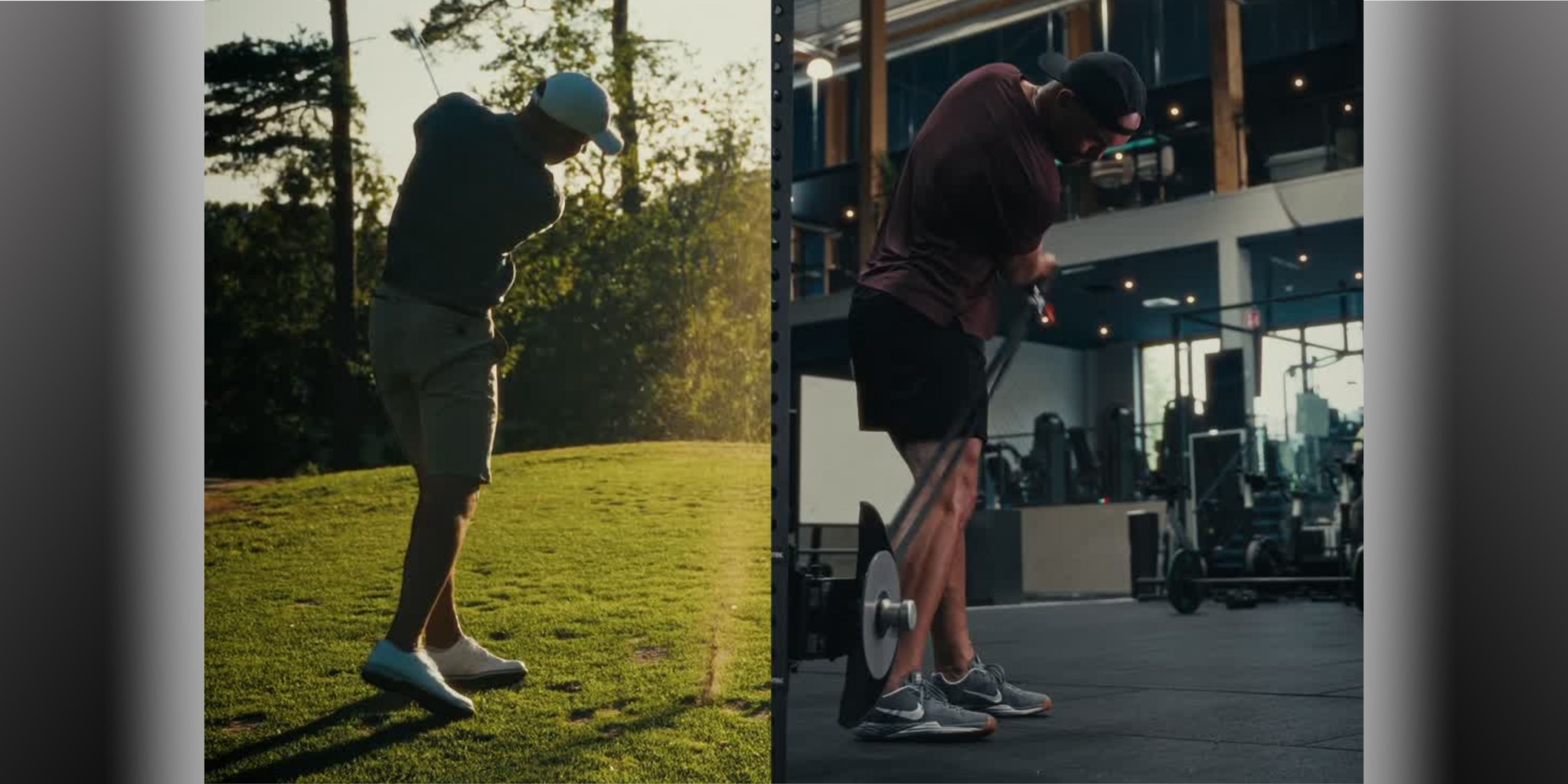
How Conditioning Improves Explosiveness
A demanding muscle contraction can temporarily increase muscle twitch force, a phenomenon called post-activation potentiation (PAP). After a few minutes of recovery, athletes may also perform better in explosive movements such as jumping or sprinting. This is known as post-activation performance enhancement (PAPE).
Why Flywheel Conditioning?
The right conditioning stimulus can help athletes perform at their best when it matters. With kBox, coaches can combine high-intent loading, adjustable inertia and eccentric demand in a compact setup that works in the gym, on the field or on the road.
-

High-Intent Loading
Let the athlete’s effort drive the resistance and create a demanding conditioning stimulus without complicated setup. -

Eccentric Demand
Challenge force absorption and control as the flywheel returns energy during the braking phase. -

Individualize the Load
Adjust inertia, exercise selection and training volume to find the right balance between stimulus and fatigue for each athlete. -

Monitor the Stimulus
Track conditioning output with kMeter. Measure the performance response separately.
Prime. Recover. Perform.
A brief, demanding exercise can help prepare the muscles for an explosive effort, but it also creates fatigue. The aim is to allow fatigue to subside before the target movement, while any performance-enhancing effect remains. The key is matching the exercise, conditioning stimulus and recovery time to the athlete.
01
Prime
Use a familiar, high-intent flywheel exercise such as a kBox squat or lunge. Aim for a strong stimulus—not unnecessary volume.
02
Recover
Allow fatigue to subside while the potential performance enhancement remains. Test the recovery interval in training.
03
Perform
Execute the target jump, sprint or other explosive movement. Measure the result against a normal warm-up to establish whether the conditioning protocol delivers an improvement.
For more on testing and individualizing a conditioning protocol, read Fredrik Correa’s guide: Using Flywheel Equipment for PAP and PAPE Before Competition.
Research That Supports Real-World Use.

Optimize the Stimulus. Measure the Result.
The best protocol is the one that works for your athlete. Start with a familiar exercise, a brief conditioning stimulus and a planned recovery interval. Then measure the performance outcome and adjust the protocol until you find a repeatable benefit.
Put Flywheel Conditioning to Work with kBox.

Further reading
Using Flywheel Equipment for PAP and PAPE Before Competition
Flywheel deadlifts and PAPE: How low and high inertia compare
Swim starts: 35% higher horizontal flight velocity after flywheel conditioning